Recommendations6 min read
Product recommendations as social proof: what buyers trust
By the BasketBooster team
The short answer
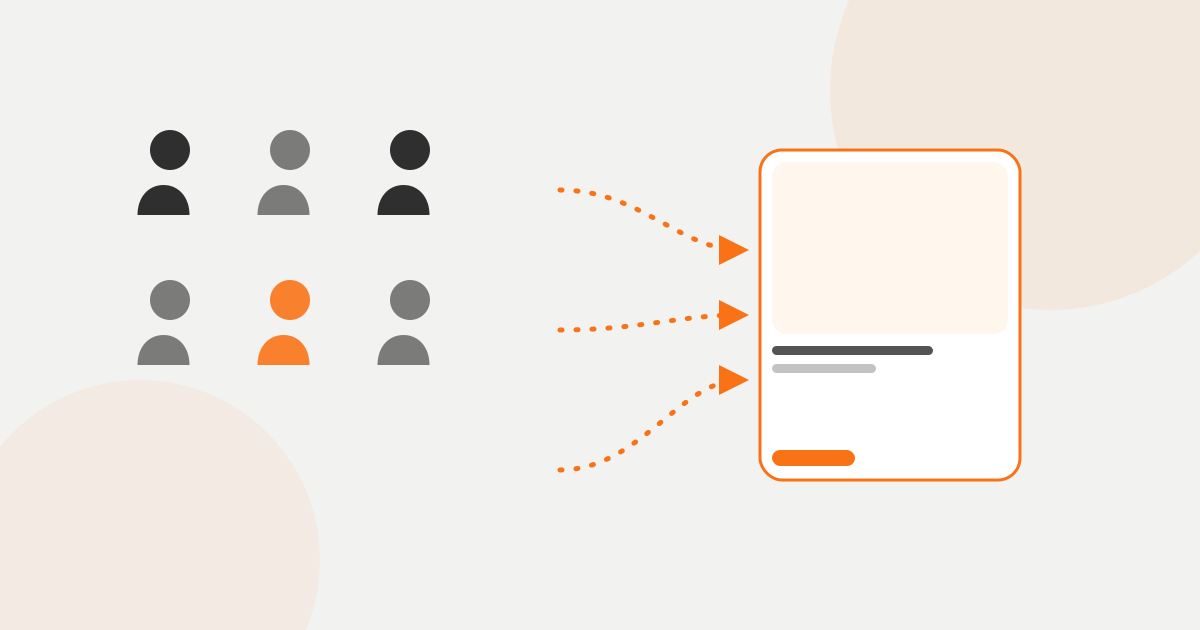
Recommendation blocks such as “Customers who bought this also bought” show a new visitor what earlier buyers did: which products ended up in the same orders and what is selling right now. That is proof from behaviour instead of opinion, and shoppers tend to trust it because the merchant did not write it. It only works when the block is built from real orders.
A first-time visitor to your store knows nothing about you. They can’t tell whether the mug is worth the money, whether the filter papers fit the brewer, or whether anybody has ever ordered from this site at all. So they look for clues. One of the best clues you can give them is what other customers did.
What social proof means in a shop
Social proof is an old idea from persuasion psychology: when people are unsure, they look at what others do and take it as a hint. Of two restaurants side by side, the busy one gets picked. Nobody read a review. They saw the tables.
Online, the tables are invisible. A store with a thousand orders a month looks exactly as quiet as one with three. Reviews and star ratings are the usual fix, and they help. Recommendation blocks do the same job in a different way, though most merchants I talk to file them under “upsell” and never think of them as proof.
Proof from behaviour and proof from opinion
A review is an opinion. Someone decided to write it, usually because they were delighted or annoyed, and most buyers never write one. Shoppers know this. They also know reviews can be bought, filtered, or written by the owner’s cousin.
“Customers who bought this also bought” is a different kind of statement. Nobody wrote it. It is a summary of what people paid for, so the shopper doesn’t have to weigh a stranger’s taste or mood. They see that people who took the brewer also took these beans, and that is usually enough.
| Reviews and ratings | Recommendation blocks | |
|---|---|---|
| Where it comes from | What a few buyers chose to write | What buyers did, counted across orders |
| Question it answers | Is this product any good? | What goes with it, and what do others pick? |
| Weak spot | Few people write them, and shoppers suspect fakes | Says little until there is order history |
I wouldn’t drop reviews. The two answer different questions, and a product page that has both is stronger than a page with one.
Why the common blocks read as proof
- Frequently bought together lists items that landed in the same order as this one. The camera and the memory card. It tells the shopper that other people needed the second thing too.
- Customers who bought this also bought shows what the same customers went on to buy. It works like a friend saying “if you liked that, look at this”.
- Others also viewed comes from browsing. It is weaker than a purchase, since looking costs nothing, but it helps a shopper who is still comparing.
- Trending and bestsellers show what the whole store is buying right now. For a visitor who arrived with no product in mind, that is the closest thing to seeing a queue.
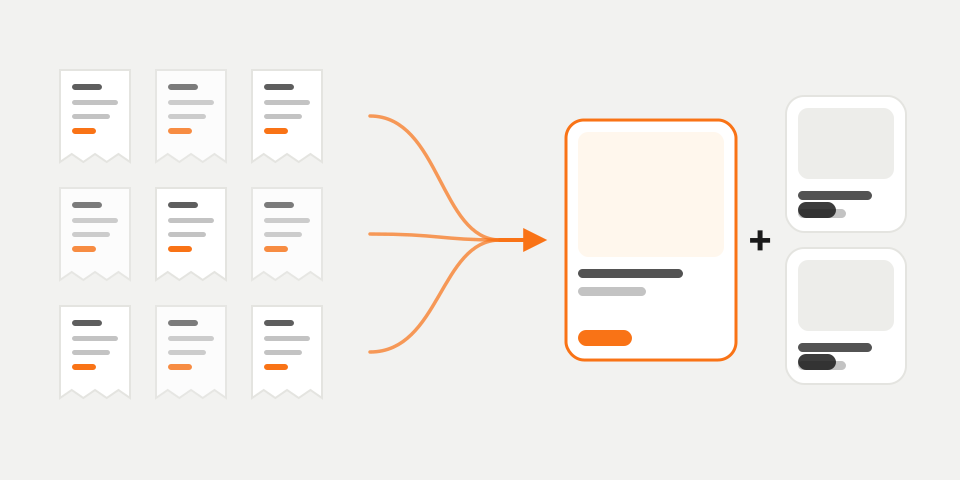
What they share is that the merchant didn’t pick the products. A “related products” row filled by hand or by matching tags shows what the shop wants to sell, and shoppers have learned to scroll past those. A block built from orders shows what customers wanted. There is more on the sales side of this in what product recommendations do for a store.
The proof has to be real
It is tempting to fake it. A “Bestseller” badge on a product that sold twice, a “Popular right now” row that is really the stock you need to clear. It works for a while. Then a customer buys the “bestseller”, finds it mediocre, and from that day reads every badge in your store as decoration. You don’t get that trust back with a redesign.
Honest proof also needs a minimum of evidence. Two products that shared one order once are a coincidence, and showing them as “frequently bought together” is a small lie even if no one intended it. A sensible system waits until a pair has shown up enough times, and until then shows something it can stand behind, such as the store’s proven sellers.
The title changes how the block is read
Put the same four products under “You may also like” and under “Customers who bought this also bought”, and they read differently. The first is the shop talking. The second is other customers talking, and that is the voice shoppers believe.
So make the title specific and make it true. “Frequently bought together” promises that the items shared an order. “Popular in Coffee” names the category the proof comes from. “Picked for you” makes no claim about other people at all, which is fine, because that block is personal and should say so.
Where each block belongs
- Product page. “Frequently bought together” and “also bought” go under the product the shopper is already considering. That is where a companion item makes sense.
- Cart. One add-on chosen from everything in the basket, shown just before checkout. Keep it to a single suggestion, because a wall of products at this step sends people back to browsing.
- Homepage. Bestsellers and trending products for new visitors, who have no history yet. Returning customers can get personal picks instead.
- Category page. Trending within that category. Someone browsing kettles cares what kettle buyers choose, and the store-wide top ten tells them nothing about that.
If your store is new
With little order history the proof is thin, and it is better to admit that than to pad it. Bestsellers and trending products work from the first day because they need very little data. “Bought together” pairs show up as your orders start to repeat them. If you are moving from another platform, uploading a CSV of past orders gives the system that history straight away.
In the meantime, a short honest block beats a full fake one. The pairs get better with every order, and week one is the worst they will ever look.
How to try it
BasketBooster builds these blocks from your own orders and browsing, and falls back on proven sellers when it isn’t sure. You can see each one on the recommendations page. Setup is an app install on Shopify, a plugin on WooCommerce and OpenCart, or one line of code anywhere else; the plugins page has the details.
Across stores running BasketBooster, average order value is up 18%. Your result will depend on your catalog and traffic. The trial is 30 days with no credit card, and the plans are on the pricing page. After two weeks, open the page of your top seller and read the “bought together” row. If the pairs are the ones you would have suggested at a counter, the proof is working.
Questions merchants ask
- Is “customers also bought” social proof or just an upsell?
- Both. It raises the order value, which makes it an upsell, but it does that by showing what earlier buyers chose. That only holds while the block is built from real orders.
- How many orders do I need before the blocks mean anything?
- Bestsellers and trending products work from day one. “Bought together” pairs appear once your order history starts repeating them, and a few hundred orders is enough for the popular products. You can speed this up by uploading a CSV of past orders.
- Can I still promote the products I choose?
- Yes. You can pin a product, hide clearance or boost a brand, and the rule applies as soon as you set it. Keep the title honest: if a row is entirely your picks, don’t label it as what customers bought.
- Should I show recommendations or reviews?
- Show both if you can. Reviews tell a shopper whether the product is good, and recommendation blocks tell them what goes with it and what others pick. Neither one covers the other’s question.
TagsSocial proofConversionCross-sell
See it on your own store
Every plan starts with a 30-day free trial. You don’t need a credit card.